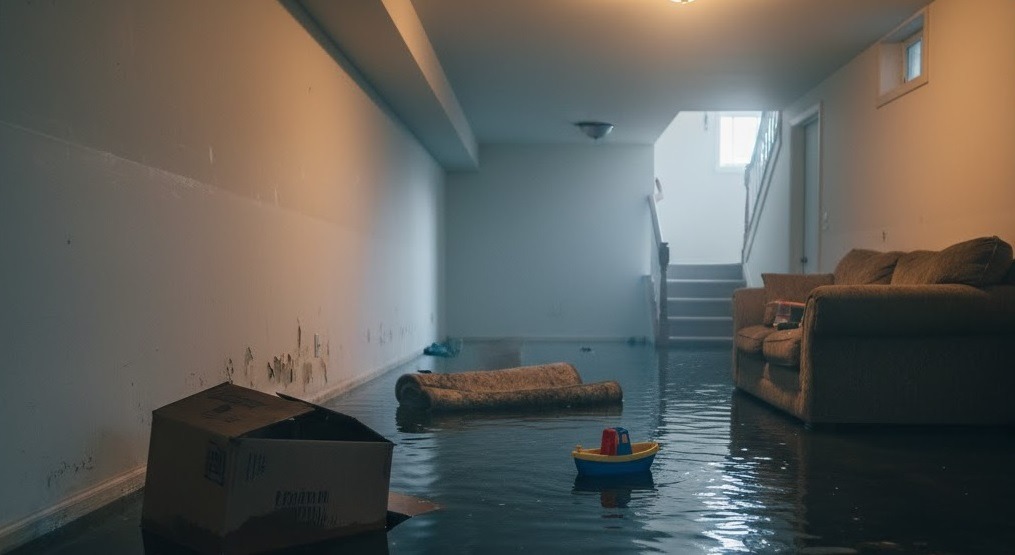
Have you ever found yourself in a state of helplessness when the water is bursting in from all sides in a flooded basement and you are stranded there, unable to think what you should do next to prevent or at least mitigate the potential damage?
You are not alone.
The United States, especially a state like New York, is known for natural disasters. With an average of 6.2 billion-dollar weather/climate events in the last five years, it is infamous for hurricanes and catastrophic rains.
Although there is not much you can do against a natural disaster when it is fatal to roam around, especially a hurricane, you definitely can start to regroup after the calamity.
Considering the dangers of a flooded basement, you don’t have long before mold starts to appear. Therefore, it’s critical to act quickly and correctly to put out the water and cause the least possible damage to your belongings and residence.
What to do when your basement floods is a super common question that most New Yorkers don’t know the answer to. But you don’t have to worry because that’s what this article will answer.
Moreover, we will learn about basement flood cleanup services, their process, charges, and, most importantly, some seasonal checks you must perform to prevent basement floods, regardless of the weather or season.
But before that, let’s take a look at what causes a flooded basement.
Key Takeaways
- Flooding can result from external factors like heavy rain, rapid snowmelt, poor grading, and clogged gutters, or internal issues such as sump pump failure, burst pipes, sewage backups, and foundation cracks.
- Effective prevention involves cleaning gutters, ensuring proper lot grading, sealing foundation cracks, maintaining drainage systems, and monitoring water pressure.
- You should conduct specific preventative maintenance in the Spring (sump pump tests, downspout positioning), Fall (thorough gutter clearing, clearing storm drains), and Winter (monitoring snow piles, warming the basement).
- Never enter a flooded area without confirming that the power is shut off. Standing water can cause electrocution and carry fatal diseases.
- Immediately identify the water as contamination level (from Clean, Gray, or Black) as it affects the risk, the cleanup procedure, and the restoration cost.
- For significant flooding, especially involving contaminated water, you must call a water restoration professional immediately to mitigate damage, as mold and structural issues escalate rapidly after 24 hours.
- Cleanup and restoration costs are primarily determined by the category of water and the square footage/structural damage, generally ranging from $3,000 to over $15,000 for full restoration.
- Standard homeowner’s insurance typically does not cover damage from external natural flooding or sewer/sump pump backup.
What causes basement flooding?
Let’s look at ten common reasons that can cause basement flooding. Let’s divide these ten into two main categories. These are:
External causes
- Heavy rainfall: The state gets 42 to 49 inches of rain per year. When it gets intense or catastrophic, it obviously causes a flooded basement.
- Rapid snowmelt: New York City gets an average of 29.8 inches of snow each winter season, although the last three years didn’t meet the mark. When ice melts and the ground is frozen and drainage is poor, it can turn into a large amount of water that has nowhere to go. This water becomes seepage and floods through cracks.
- Floods: NYC gets, on average, 34 flash floods per year. Affected areas get flooded basements.
- Poor drainage/grading: If the ground around your house slopes toward the foundation instead of away from it. This directs all surface water rights to the basement walls.
- Clogged or broken gutters/downspouts: If gutters or downspouts are blocked, the rainwater can build up. It can damage the surrounding area of the basement and cause leaks.
Internal causes
- Sump pump failure: Most homes in NYC have sump pumps. If it fails due to any specific reason, the pit fills up and overflows onto the basement floor.
- Leaks or burst water pipes: A pipe break (especially in winter) or an old, hidden leak from supply lines or drain pipes can get worse and fill up a basement.
- Sewage blockage: A blockage in the main sewer line can cause sewage to back up through basement drains or toilets, causing a flooded basement.
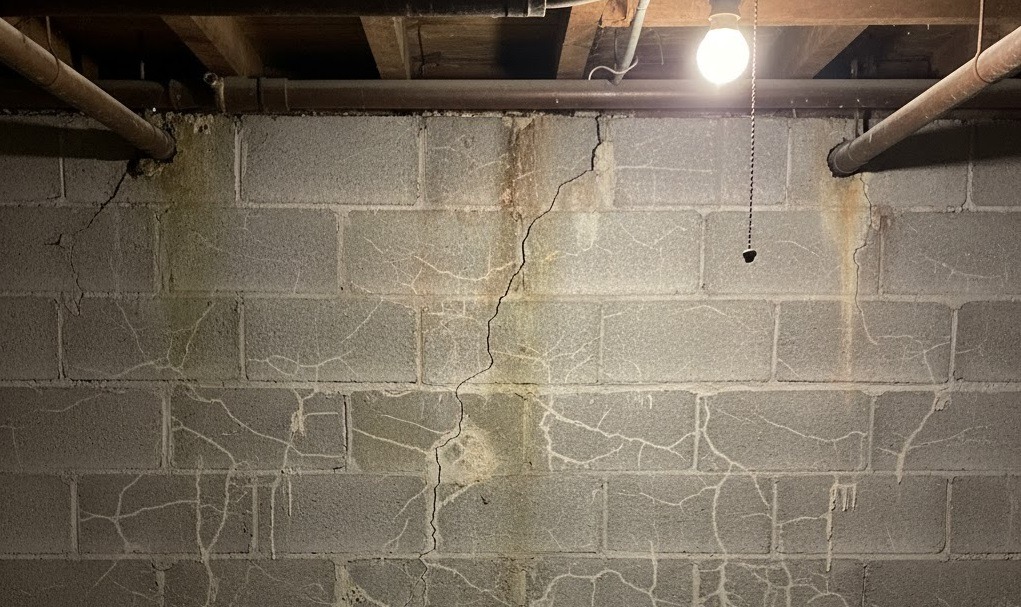
- Foundation cracks: Even hairline cracks can allow significant water intrusion when the surrounding soil is saturated.
How can you prevent your basement from flooding?
Now that you understand the common causes, let’s take a detailed look at what you can do to prevent a flooded basement regardless of season/weather:
- Clean gutters. Every season or whenever you feel the need for it. These are the main culprits behind a flooded basement 8 out of 10 times.
- Lot grading. The ground around your foundation should always slope off from the house to direct rainwater and melted snow away.
- Seal cracks in the foundation. Fill any cracks in the foundation. The water creates hydrostatic pressure, which is the force of groundwater pushing against the surface and seeping through any opening.
- Fix weeping tiles. Weeping or drainage tiles are legally required in the United States. Check if your weeping tile system is functioning correctly and repair or replace it if it’s damaged.
- Keep an eye on water pressure. Excess water pressure can cause pipes to burst, crack, or fail. To check the pressure, turn on the faucet fully and use a water pressure gauge. If the water pressure exceeds 100 psi, get a pressure regulator.
- Keep an eye on your water bill. More than usual water bills are a strong indicator of a leak that needs to be fixed.
- Maintain your drainage system. People often forget to offer the extra care that a drainage system requires. Get them professionally cleaned after heavy rains or snowfall. Remember, in laborious conditions, pipes can wear out much before the disclosed time.
- Install a water alarm. These devices are installed near water sources and make an audible sound if they detect a leak. You can buy one on Amazon, and the prices start from $12 and go up to $500 and more, depending on the quality and features of the machine.

Seasonal checks to prevent a flooded basement
In a place like New York, every season brings new challenges to keep water out of your basement. Here’s your seasonal checklist to keep moisture and water at bay!
Spring
When animals emerge from hibernation and blossoms confiscate the city, spring sets New York up for the wettest season of the year—April. Therefore, the following safety precautions are imperative:
- Position downspouts away. Ensure downspouts extend at least five feet away from the foundation.
- Inspect gutters. Consider professional clean-ups every spring. Clear leaves, debris, and shingle granules.
- Inspect exterior foundation. Look for new cracks in exposed areas of the foundation walls or visible cracks in the driveway/patio near the house.
- Test the sump pump. Pour a bucket of water into the sump pit to ensure the pump works properly. Also, check if the battery is charged and the system alarm functions well.
- Check window wells. Remove any accumulated leaves, debris, or ice melt, ensuring the bottom of the well and the drain are clear and open.
Fall
Fall in NYC sees tropical storms and hurricanes. The constant leaves and branches falling due to the season and the strong gusts of wind can easily clog downspouts and gutters. Here’s what to do when the fall hits:
- Clean gutters thoroughly. It prevents clogs and, more importantly, stops water from freezing and causing blockages inside the pipes as temperatures drop at the end of the fall.
- Clear storm drains and grates. Clear any piles of leaves or trash from storm drains near your property. If clogged, the water can flow toward your home.
- Secure window well covers. Strong fall winds can dislodge well covers, which can leave the wells vulnerable to debris accumulation.
Winters
Winters are a constant hurdle. Pipes freeze and burst, which not only causes damage to the property but also fills up the basement with water. Here’s what to do in such a situation:
- Monitor snow piles. Shovel snow away from the foundation walls to prevent it from melting and saturating the soil directly against the house. The moisture can build up and damage the walls. That can cause seeping and basement floods.
- Keep your house warm. Keep your house, including the basement, warm, just enough, to prevent water pipes from freezing. Light the fireplace and close windows/doors to prevent cold air from entering the house.
- Check hoses and faucets. In cooler weather, the remaining water in the hose or a faucet may freeze and burst out, causing a flooded basement. Therefore, cut off the supply to hoses and faucets, especially when going out for an extended period of time.

Source: Unsplash
What to do when your basement floods?
Considering natural disasters, it’s apparent that basement flooding is inevitable. However, you can always ensure the best for you and your apartment by taking the necessary safety precautions. Here is a four-step safety plan to ensure your safety.
Safety first
Step 1: Prioritize personal safety
Standing water is dangerous—more on this later. It carries fatal diseases. Moreover, it can be dangerous, especially when it enters the body through any opening.
Furthermore, an electrical appliance leaking current or a dangling wire breaking and ending up in the standing water can make the entire basement electrocuted. Thanks to water being a fantastic conductor.
Step 2: Identify water and the source
Next, it’s vital to verify what category of water you’re dealing with and where it comes from. Here are the three contamination levels and how to spot them:
- Clean water (Category 1): Originates from a sanitary source, such as a burst supply line. If left untreated, it can become category 2 water within 24 hours. It is clear and often odorless.
- Grey water (Category 2): Contains a significant level of chemical or physical contaminants. It can cause discomfort or illness if consumed. Often, you can identify this water by a cloudy appearance, a slight odor, or if it comes from appliance drain lines or sump pump overflow.
- Black water (Category 3): This is grossly contaminated and causes severe illness or death if consumed. Includes water from sewage backups that contains human waste and pathogens. This water is easily recognizable by its foul odor and dark color.
Step 3: Shut off power and water
Once you spot the water, it’s time to shut off the power and water supply to the basement if it is safe. Yet, this step should be an exception if cutting off either one of them requires stepping into the category 2 or 3 water.
Or, call your water or electricity supplier. Request that they stop the water or electricity supply to your house or basement.
Step 4: Contact your insurance provider
Finally, contact your insurance provider as soon as possible. Your policy may allow a broader timeframe (sometimes 30 days or more). It’s best to practice notifying your insurer within the first 24 hours.
Step 5: Initial mitigation techniques
To prevent further damage, move items out of standing water. Quickly move items like furniture, rugs, and electronics. Especially irreplaceable personal items (photos, documents) to a dry area. As you do so, document everything, capturing photos and videos of the damage, as it helps with the claims.
Who to call and when to call them
The best thing you can do after getting flooded is not to try and do everything yourself. It’s important to assign tasks to professionals. Here’s who and when to call:
- Electrician: Call an electrician if the standing water is near any electrical outlets. Do not enter the area until you safely shut off the power.
- Plumber: Contact a plumber urgently floods are due to a plumbing failure. They will stop the flow and repair the damage source.
- Restoration Experts: The best you can do is to let a professional water damage restoration team, like Perfect Restoration and Cleaning, handle the situation. This step is better for your health insurance claim. We take the responsibility and actively work with your insurance company. Helps you get the best of the deal.
Flooded basement cleanup and damage repair
Letting professionals handle the situation is the best option for your wallet. Let’s take a look at how, here at Perfect Restoration and Cleanup, the typical restoration process looks. All it takes is three easy steps:
Step 1. Safe water extraction procedures
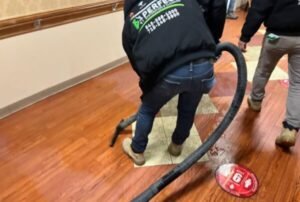
At Perfect Restoration and Cleanup, our cleanup process begins with water extraction. For volumes of water, we deploy powerful submersible pumps to draw water out of the basement. We also use wet vacuums to remove the residual moisture trapped in carpets.
Furthermore, we are hyperaware of hydrostatic pressure. It’s also something that distinguishes our professional service from others.
We never pump water out too quickly. If the surrounding soil is saturated, a sudden drop in interior pressure can lead to the structural collapse of your basement walls. We carefully manage the extraction rate to drop this risk to ensure your home’s foundation remains completely secure throughout the entire process.
Step 2. Decontamination and structural drying
After the removal of standing water, the next step is to ensure the space is safe and dry. This involves two distinct phases: cleaning and drying.
Cleaning vs. sanitizing
For Category 1, basic cleaning and sanitizing may suffice. But, for Categories 2 and 3, we switch to full-scale sanitization and disinfection. We use antimicrobials and disinfectants to remove bacteria. It ensures the affected area is safe from any health hazards before our restoration magic begins.
Structural drying and moisture control
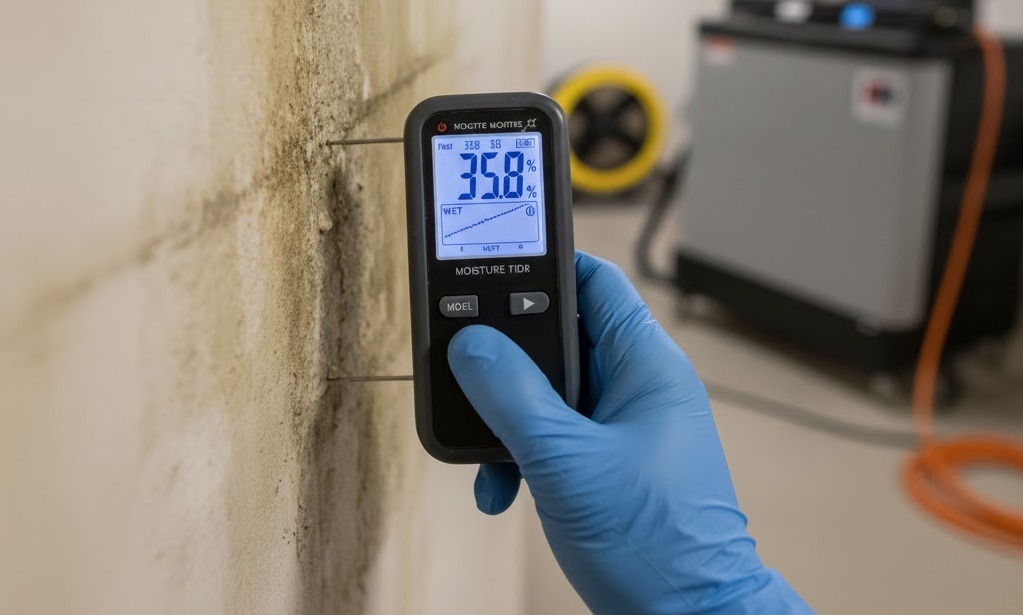
We deploy dehumidifiers to draw moisture out of structural materials. Simultaneously, we track the environment with moisture meters and psychrometric charts. It prevents the hidden moisture that can cause mold growth and bacteria.
Step 3. Repairing and restoration
The final stage is bringing your basement back to its pre-flood condition. We focus on restoring damaged components and materials that can be salvaged. Unfortunately, not all flooded materials can be saved. Particularly, when dealing with black water. Hence, we dispose of porous materials, such as carpet. These materials must be removed and discarded to prevent health risks.
Financial, legal, and safety considerations
After the debris is removed, the space is dry, and the restoration work begins, the focus shifts from physical cleanup to paperwork and planning.
While the physical restoration process has a clear path, the paperwork and financial planning that follow can be complex.
Understanding how to cover the costs is just as crucial as the cleanup itself. Before diving into the details of insurance and cost, always keep your long-term safety and home integrity in mind. These next steps will help you secure your finances against the unexpected.

Insurance coverage: What does your policy say?
Understanding your insurance is the first step in financial recovery. Standard homeowner’s insurance policies cover water damage that is sudden and accidental. These emergencies include a burst of a supply pipe. But flood damage caused by natural weather events is seldom covered.
For that, you must purchase a separate Flood Insurance policy. It is often obtained through the National Flood Insurance Program (NFIP). In fact, you are federally required to have one if you live in a high flood-risk area.
Furthermore, standard insurance policies also do not cover water backing up from sewers or sump pumps. To cover this specific risk, you must purchase another situation-specific policy.
Understanding flooded basement cleanup costs
It’s almost impossible to accurately determine the flooded basement water cleanup cost. It is influenced by several critical factors rather than just the amount of water. Let’s take a look at what these factors are and how they impact the final cost:
- Category of water. The higher category of water will cost more. It dictates what kind of tools and sanitization techniques will be used.
- Square footage. Other major factors include the square footage of the affected area. Also, the extent of structural damage. As a general guideline, the cost for professional cleanup ranges from $3.50 to $7.50 per square foot of affected area. However, a full reconstruction or replacement can cost from $3,000 to over $15,000.
Again, it is important to remember these figures are general estimates. Local labor rates and the severity of your situation will determine the final price.
Is a flooded basement dangerous? Health and structural risks
As promised earlier, let’s discuss the dangers of a flooded basement. Simply put, if you think, “is a flooded basement dangerous?” The answer is yes. It can even be deadly in some cases.
- Mold and mildew: Let’s start with the unwanted guest: Mold and mildew. It can be a serious issue for human health as it causes allergic reactions and respiratory issues. Some kinds of molds even produce mycotoxins, a toxic compound that can cause serious health risks, including immune deficiency and cancer. In fact, a moldy house is even linked to mental health issues, such as depression and anxiety.
- Structural damage: The abundance of water standing against the walls puts immense pressure on the walls and wets the soil underneath, posing a risk for structural collapse. If the material is porous, like drywall and wood, it’s basically game over and would require replacement if water is standing for long enough.
- Fatal diseases: Standing water is home to mosquitoes and other pests that carry deadly diseases, such as malaria, dengue, yellow fever, encephalitis, and other vector-borne diseases that cause over 700,000 deaths annually.
- Contaminated water: The most obvious one, but often overlooked. Ingesting or even being in proximity to contaminated water (Category 2 or 3) can expose you to harmful bacteria and viruses, leading to severe gastrointestinal illness or serious infections.
When to call the experts?
Simply put, as soon as possible. Water damage progresses rapidly. Structural damage and mold growth significantly increase after just 24 to 48 hours; if you have a porous material as walls, it’s even worse. If it’s more than a few inches of water, or if the water is contaminated, call us immediately to minimize damage and lower overall restoration costs.
Why choose Perfect Restoration and Cleaning for your flooded basement?
When you’re panicking, looking at the flow of water annihilating your basement, all you need is rapid help, and we can promise you that! Our team of trained professionals arrive in less than an hour after receiving your call, ready to utilize the industry’s best practices and equipment to leave your basement better than before!
Make The Perfect Call™ now and let us take care of your basement like it deserves!
FAQs
How to prevent basement flooding during heavy rain?
To prevent basement flooding during heavy rain, maintain your gutters, ensure the ground slopes away from your foundation, and install a sump pump with a battery backup.
How to fix a flooded basement?
To fix a flooded basement, spot the category of water you’re dealing with. If it’s category 1, go on and salvage non-replaceable objects, then call a restoration company. For category 2 or 3 levels of water, do not risk getting near the contaminated water and directory call professionals and let them handle everything appropriately.
Does home insurance cover a flooded basement?
Usually not. For floods due to natural disasters, buy a separate insurance policy from the National Flood Insurance Program (NFIP). Also, the policies do not cover water backing up from sewers or sump pumps.